
5 Steps to Creating Case Studies That Drive Leads
Case studies bring your products to life. They tell stories that paint pictures and evoke emotions in your audience. They give you credibility and if you have worked with popular brands you can use their brand power to convince your prospects to invest in you.
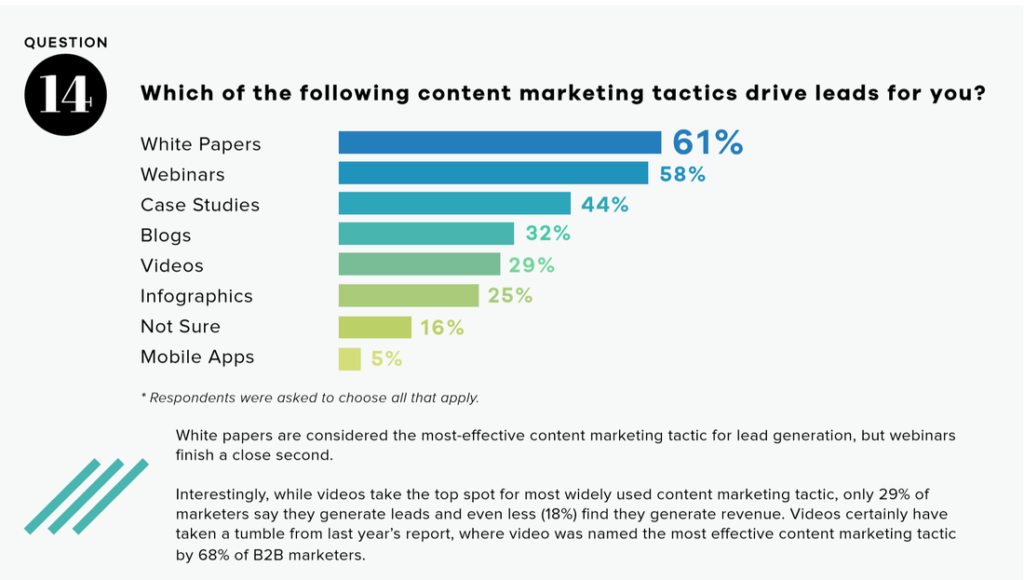
How do you create a compelling case study? Here are 5 steps to help get you started.
Understand Your Customer
Before you contact your customer, you should research their company. You can find plenty of information about a company by just researching them online. Your sales team is a great resource for familiarizing you with the customer. And if you have a CRM tool such as Salesforce, your sales organization might have added valuable information that can help you with your research.
Prepare Questions
Create a list of questions that you want to ask the customer. At a very high level these are a few questions you want to ask to capture the information you need for the case study:
- What problem were they trying to resolve?
- How did your product resolve those problems?
- What are the most significant benefits your solution delivered?
- Can they quantify those benefits?
You should modify these questions so that they’re relevant to your customer.
Set Up an Interview
In most situations, it’s best to set up an interview by working with the account manager or sales representative assigned to the customer. This is specifically true if your account manager is working on an upgrade or upsell opportunity with the customer. When you set up a time for an interview with the customer, you should take as many notes as you can to add substance to the story.
Create the Asset
Regardless of what format you pick for your case study it should tell a compelling story from the perspective of your customer. Here is a high-level flow that you can follow:
- Customer Profile
Cover information about the organization or company that is relevant to the case study. - The Problem
What was the problem they were trying to resolve by looking for a product like yours? Did they look at your competitors? If so, why did they choose your solution? - The Solution
How did your product resolve their issues? - Benefits
Highlight the benefits they received from your solution. Quantify as much as you can. Add ROI numbers and other type of metrics, if available.
Get Approval
Once the asset has been created, it will go through a few rounds of reviews. The customer will need to approve it before you publish it.
Case Study Formats
Here are some case study formats that are used to drive demand:
- PDFs
PDFs are the more traditional way of doing case studies. These are good for sales opportunities and demand generation via email marketing and content syndication. Here is an example of a PDF case study by Accenture that you can check out.
- Video
Short videos are popular on social media and work well in demand generation tactics such as email marketing. If you have access to someone who can create videos for you this is a good way to go. Hubspot creates great case study videos that you can check out on their site. Here’s a link to a video they did with ProAthlete.
- Blog Post
This is a very technical case study. However, I’m sharing it because it shows how important it is to keep your audience in mind. The audience for Drupal, a web content management platform, is mainly web developers who like that level of technical detail. I think this works well for a blog post format where you are engaging directly with your user community. They might not be the ones buying the product, but they can influence the purchase. In the comments section, you can see that their audience find the case study very helpful. It also helps increase SEO ranking and drive traffic to the blog.
- Landing Page
Creating a page on your website that is dedicated to your customers and case studies is essential in generating leads. It also helps increase your SEO ranking and traffic to your website, which ultimately results in more revenue. Here is a case study on Lyft that Lever, an applicant tracking software company, created. This is a great format for a website. It highlights key benefits while keeping the text short and concise.
- Infographic
Infographics can take time to produce and you need to work with a designer. However, they present the data in a visually appealing way and are more likely to get shared via social media. This Kissmetrics infographic based on Starbucks might give you ideas on how to get started.
Case studies are important assets for your content strategy. They drive demand, increase the quality of your leads and help your sales team close opportunities.